Your First Apple Tree + Essential Products You Need
1. Choose the Location and Fruit Tree
Start by choosing a sunny spot in your backyard that receives at least 6 hours of direct sunlight per day. Proper sunlight is essential for healthy tree growth and better fruit production.
For beginners, we recommend starting with an apple tree, as it is hardy, adaptable, and easier to grow compared to many other fruit trees.
2. Prepare the Planting Hole
Dig a planting hole approximately 60 × 60 × 60 cm (24 × 24 × 24 inches) to give the roots enough space to grow.
Loosen the soil at the bottom and sides of the hole, then mix the soil with compost or well-rotted manure to provide nutrients for healthy root development. Avoid using fresh manure, as it can damage young roots.
3. Plant the Tree
Place the tree in the hole and make sure the grafting point stays above the soil level (about 5–10 cm / 2–4 inches above the ground).
Spread the roots gently, fill the hole with soil, and lightly press the soil down to remove air pockets. Water the tree thoroughly after planting to help the roots settle.
4. Protect and Care for Your Young Tree
Support the young tree with a stake if needed, especially in windy areas. Add a layer of mulch (such as straw, leaves, or wood chips) around the base to help retain moisture and protect the roots, but keep it away from the trunk.
Water the tree regularly during the first year and prune it properly to encourage strong growth and a healthy tree shape.
IN SAME WAY:
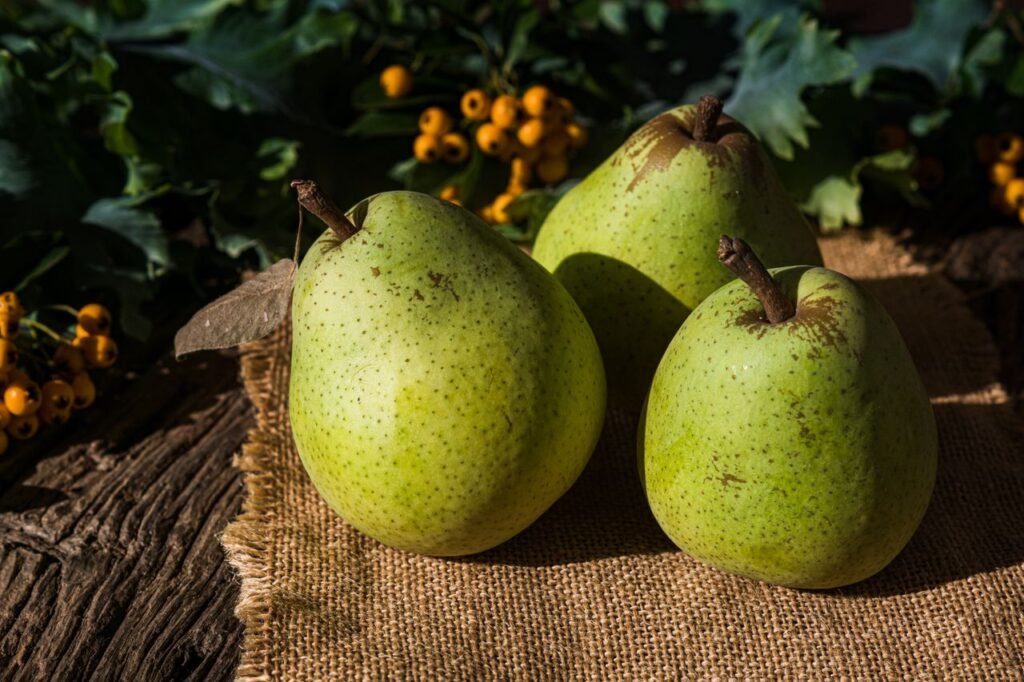
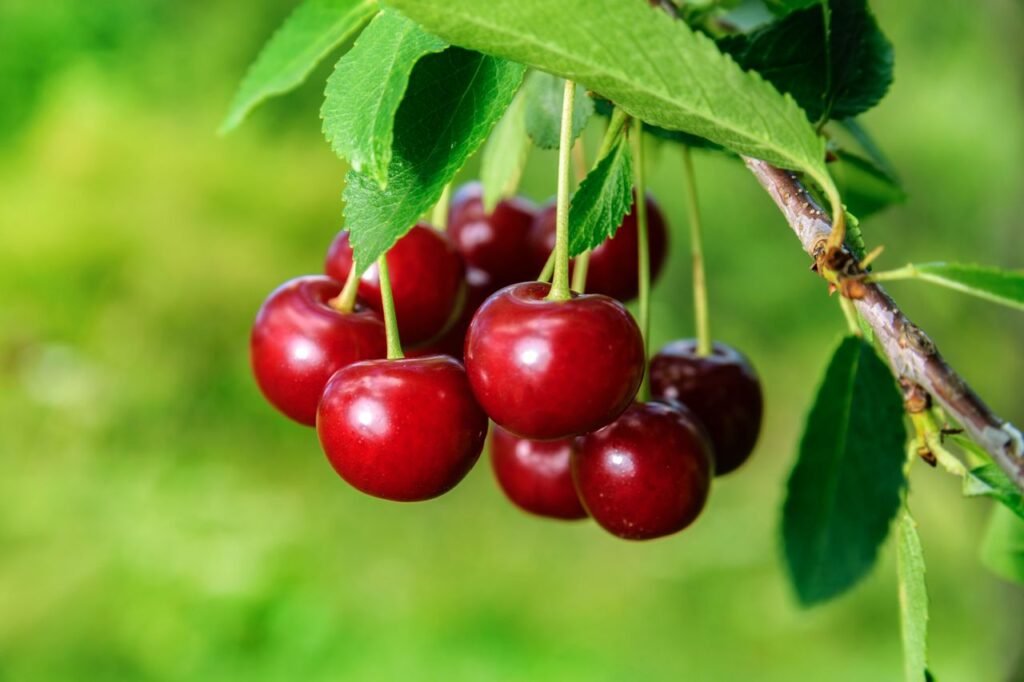
Pears are one of the most popular fruits in the world, known for their sweet flavor, refreshing texture, and impressive nutritional value. But are pears healthy? Absolutely. This delicious fruit is packed with fiber, vitamins, minerals, and plant compounds that can support your overall health.
Whether you eat them fresh, add them to salads, or grow your own pear tree in your backyard, pears are a simple and nutritious addition to your diet.
Pears Support Healthy Digestion
One of the biggest health benefits of pears is their high fiber content. A medium-sized pear contains several grams of dietary fiber, which helps maintain regular bowel movements and supports a healthy digestive system
.
Cherries Support Heart Health
Cherries contain antioxidants and plant compounds called polyphenols that may help support cardiovascular health. They also provide potassium, a mineral that plays an important role in maintaining normal blood pressure.
Including cherries as part of a balanced diet can contribute to overall heart health.
Cherries Are Rich in Antioxidants
One of the main reasons cherries are considered a superfruit is their high antioxidant content.
Cherries contain compounds such as anthocyanins, which give them their deep red color and help protect cells from oxidative stress.